The RAD 140 half life measured in its one human trial was about 44.7 hours, the figure behind once-daily administration in women with breast cancer.
More-

RAD 140 half life: the trial figure, timing and onset
-
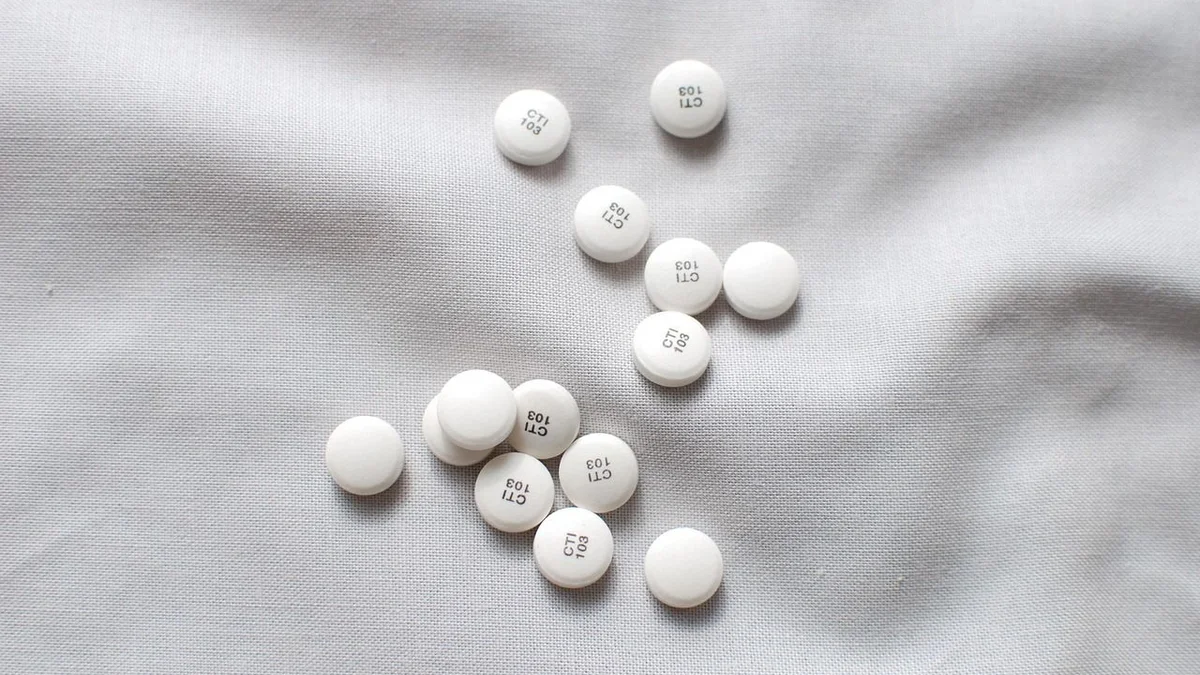
RAD140 dose: what the trials gave and the evidence covers
No RAD140 dose is approved: its dose-finding trial gave 50, 100 or 150 mg daily in breast cancer, and a later vosilasarm study gave 10 mg twice daily.
More -
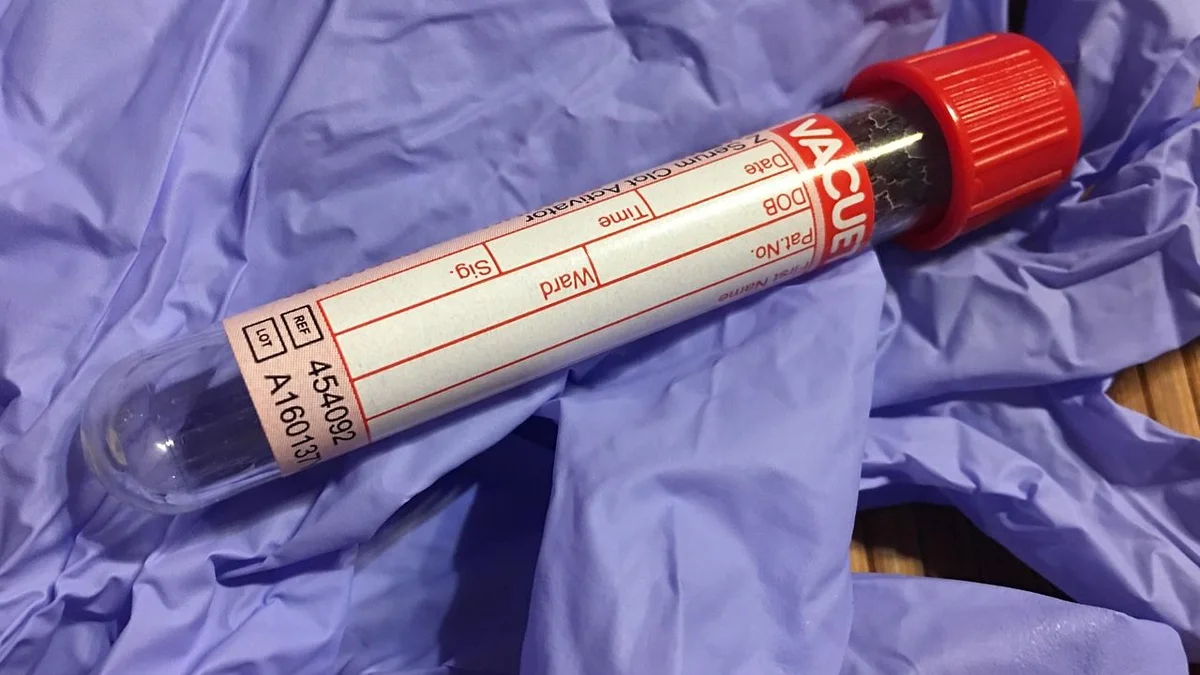
Is RAD140 liver toxic? What trials and case reports show
Is RAD140 liver toxic: raised liver enzymes were the most frequent adverse event in its only human trial, and case reports describe cholestatic jaundice.
More -
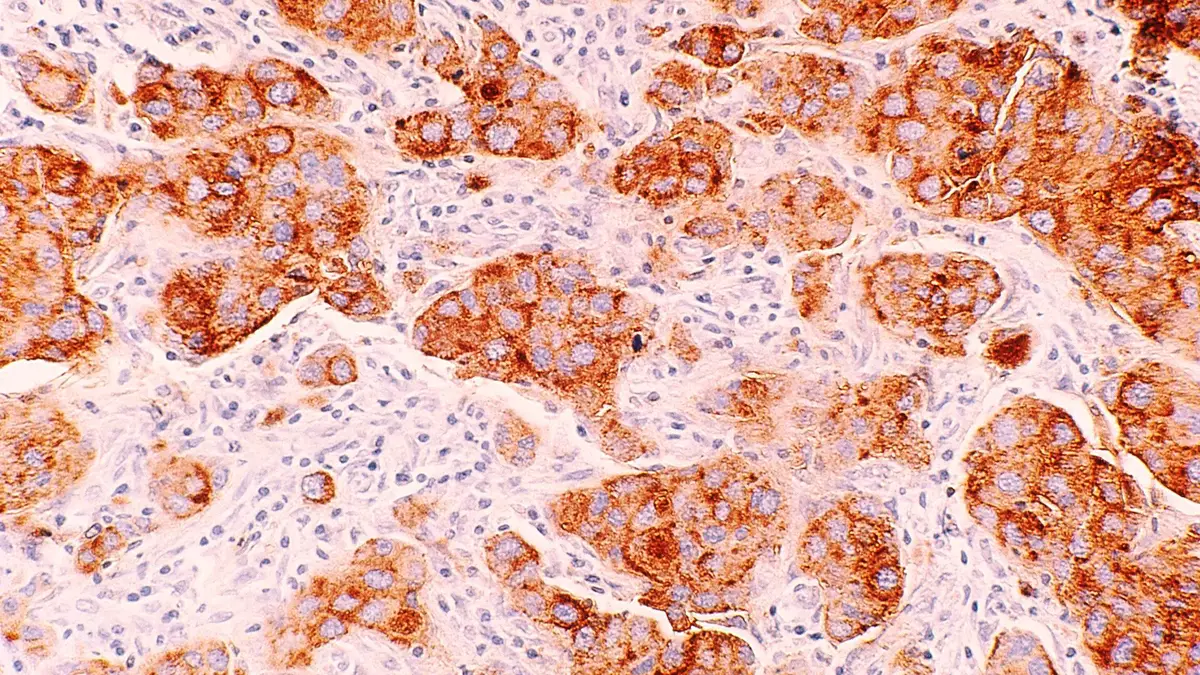
RAD 140 study: what the breast-cancer trials found
The first RAD 140 study tested the compound in 22 postmenopausal women with metastatic breast cancer, setting 100 mg daily as the highest tolerated dose.
More -
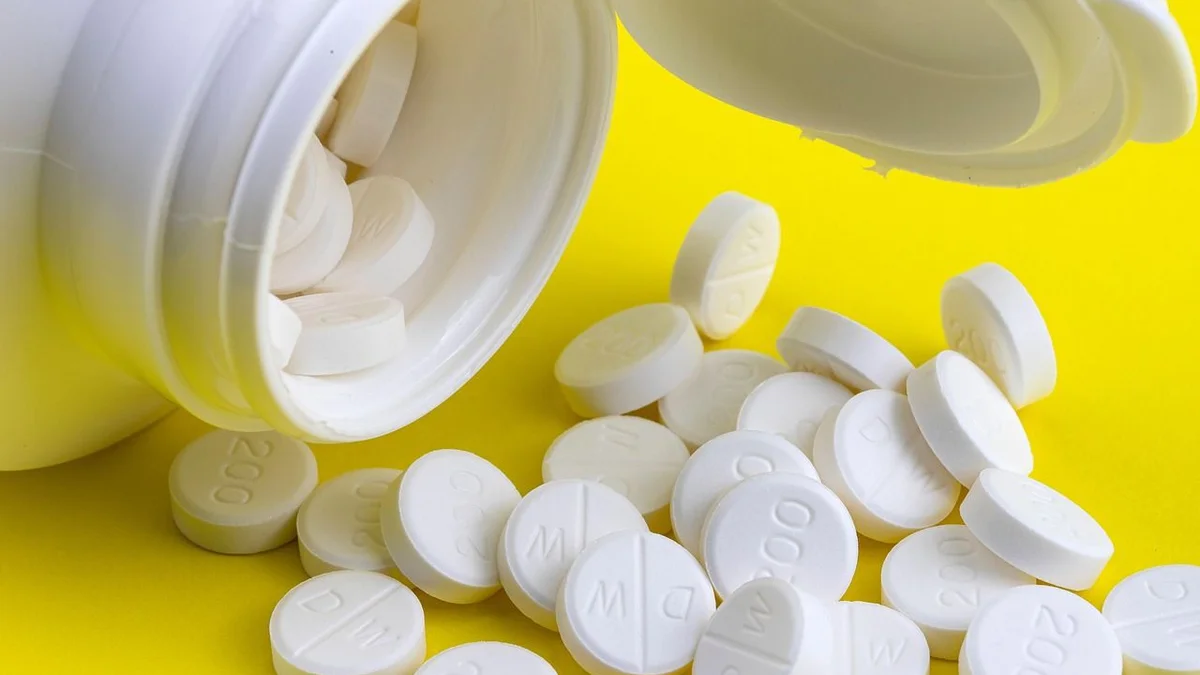
Legit RAD 140: fakes, under-strength products and lab tests
Legit RAD 140 is shown only by a lab test of the bottle’s batch, as analyses found products missing the compound, under-strength or with other hormones.
More -
How bad is RAD-140 for the heart? What the evidence shows
How bad is RAD-140 for the heart remains unmeasured in published studies, while case reports describe myocarditis and heart failure after exposure.
More -
Is RAD-140 bad for kidneys? What the case reports show
Is RAD-140 bad for kidneys: no direct kidney harm has been shown, but one case report records acute kidney injury during severe drug-induced liver injury.
More -
Does RAD 140 increase libido? Erections and the evidence
Does RAD 140 increase libido: accounts describe an early rise then a fall, and a case report links RAD140 supplements to suppressed testosterone.
More -
Does RAD 140 shrink balls? Hormone suppression and recovery
Does RAD 140 shrink balls: RAD140 can lower LH and FSH, and a case report recorded hormone levels that returned to normal once exposure ended.
More