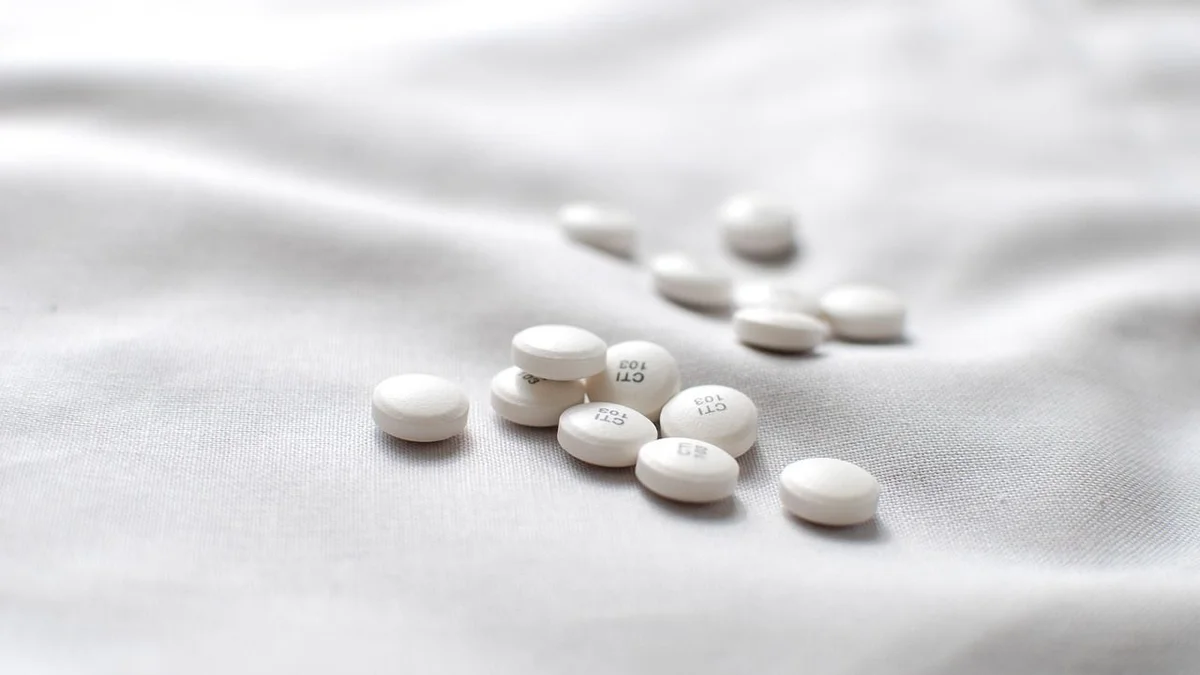
Is RAD140 liver toxic: raised liver enzymes were the most frequent adverse event in its only human trial, and case reports describe cholestatic jaundice.
More
Is RAD140 liver toxic? What trials and case reports show
-
RAD 140 study: what the breast-cancer trials found
The first RAD 140 study tested the compound in 22 postmenopausal women with metastatic breast cancer, setting 100 mg daily as the highest tolerated dose.
More -
Legit RAD 140: fakes, under-strength products and lab tests
Legit RAD 140 is shown only by a lab test of the bottle’s batch, as analyses found products missing the compound, under-strength or with other hormones.
More -
How bad is RAD-140 for the heart? What the evidence shows
How bad is RAD-140 for the heart remains unmeasured in published studies, while case reports describe myocarditis and heart failure after exposure.
More -
Is RAD-140 bad for kidneys? What the case reports show
Is RAD-140 bad for kidneys: no direct kidney harm has been shown, but one case report records acute kidney injury during severe drug-induced liver injury.
More -
Does RAD 140 increase libido? Erections and the evidence
Does RAD 140 increase libido: accounts describe an early rise then a fall, and a case report links RAD140 supplements to suppressed testosterone.
More -
Does RAD 140 shrink balls? Hormone suppression and recovery
Does RAD 140 shrink balls: RAD140 can lower LH and FSH, and a case report recorded hormone levels that returned to normal once exposure ended.
More -
RAD 140 lethargy: mood, sleep and what the evidence shows
RAD 140 lethargy, like aggression, anxiety and insomnia, is unproven: the only human trial, in 22 women, listed none among its frequent adverse events.
More -
What are SARMs? How they work and what sets them apart
What are SARMs: selective androgen receptor modulators, laboratory-made compounds designed to activate the androgen receptor mainly in muscle and bone.
More