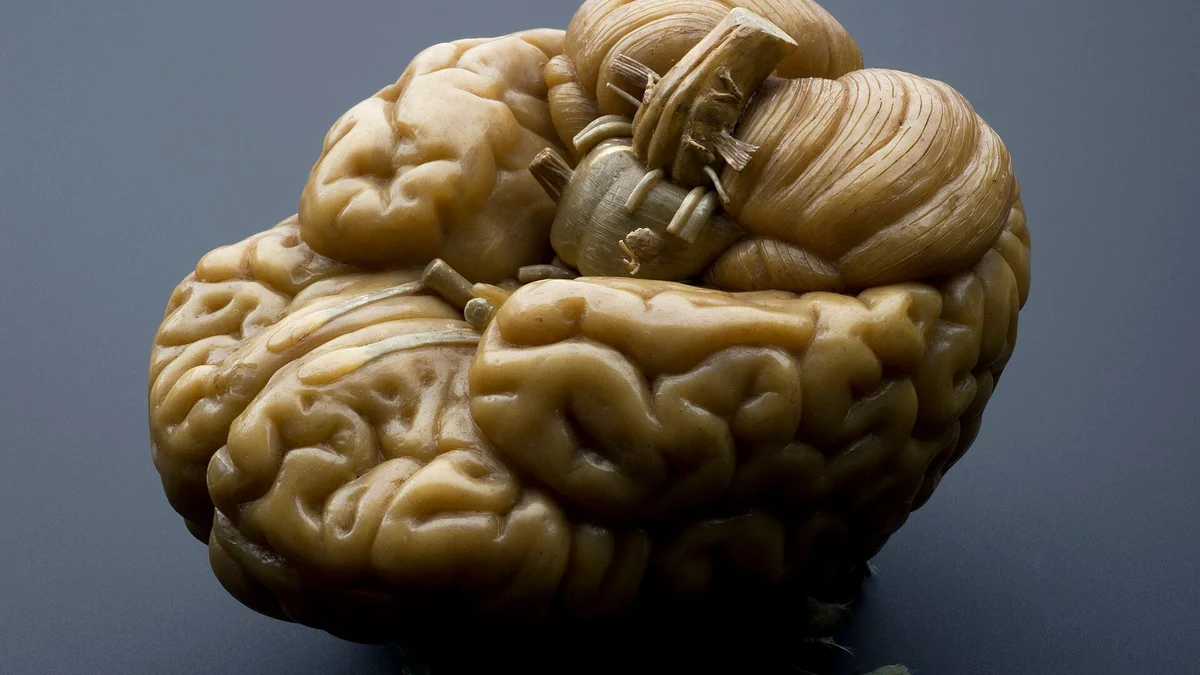
What does RAD-140 do to the brain is known only from nerve-cell and rat studies, where it shielded neurons from injury about as well as testosterone did.
More
What does RAD-140 do to the brain? Neuron and rat studies
-
RAD 140 vs LGD: trial data, ostarine, YK-11 and MK-677
RAD 140 vs LGD has never been compared in a trial: LGD-4033’s trial lowered testosterone and HDL, while RAD140’s raised liver enzymes in most participants.
More -
Is RAD 140 a steroid? How it differs from Anavar and tren
Is RAD 140 a steroid: no, it is a nonsteroidal SARM that activates the androgen receptor without the four-ring skeleton of Anavar or trenbolone.
More -
RAD 140 half life: the trial figure, timing and onset
The RAD 140 half life measured in its one human trial was about 44.7 hours, the figure behind once-daily administration in women with breast cancer.
More -
RAD 140 study: what the breast-cancer trials found
The first RAD 140 study tested the compound in 22 postmenopausal women with metastatic breast cancer, setting 100 mg daily as the highest tolerated dose.
More -
What are SARMs? How they work and what sets them apart
What are SARMs: selective androgen receptor modulators, laboratory-made compounds designed to activate the androgen receptor mainly in muscle and bone.
More -
RAD140 vs testosterone: strength, suppression and TRT
RAD140 vs testosterone compared on potency, prostate sparing and suppression, from binding assays, rat studies and the one human trial in breast cancer.
More