How should I store SARMs to keep them stable?” If you’re asking this, you’re already ahead of most.
Because SARMs aren’t just any research chemical – they’re temperature-sensitive, prone to degradation from light, oxygen, moisture, and improper handling. And in the UK, where legal use is restricted to research only, proper storage is not just smart – it’s essential for maintaining purity, compliance, and scientific integrity.
In this guide, you’ll learn the 10 critical steps to store SARMs safely and extend shelf life – whether you’re handling powders, liquids, or capsules.
Key Takeaways
Store SARMs at 2–8°C (refrigerator) for optimal stability. Avoid heat, direct sunlight, or freezing unless specified in the COA.
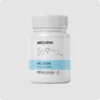
Use amber glass vials with airtight seals to protect against light, oxygen, and moisture exposure.
Always check the COA for batch-specific storage guidance, including solvent, temperature range, and shelf life.
Humidity control is essential, especially for raw powders – use desiccant packs and avoid storing in bathrooms or kitchens.
Repackage poorly packaged SARMs into compliant, labelled containers immediately. Don’t rely on vendor packaging alone.
Label every vial with full chemical name, batch number, and received/expiry dates for traceability and compliance.
Minimise resealing and exposure by aliquoting larger quantities into smaller, single-use containers.
Avoid cross-contamination by using separate, sterilised tools and handling one compound at a time.
Log your inventory and track expiry dates to ensure you’re not using degraded or unstable material.
Compliant storage protects legality and research integrity – especially under UK MHRA and CLP guidelines Why Proper Storage Matters for SARMs SARMs are highly selective compounds designed to interact with androgen receptors. But they’re also chemically fragile. Here’s what happens when they’re stored poorly:
In the UK, storing SARMs legally for research means:
Requirement
Compliant?
Not labelled for human consumption
✅ Yes
Stored in line with CLP guidance
✅ Yes
Not repackaged or relabelled improperly
❌ No
No supplement-style containers
❌ No
Proper disposal of expired stock
✅ Yes
If you’re conducting legitimate research, always store compounds in accordance with GMP/GLP principles, even if not strictly required for private studies.
FAQ: SARMs Storage
Should SARMs be stored in the fridge? Yes – for most SARMs, refrigeration (2-8°C) is ideal, especially for liquid suspensions or raw powders. Just avoid freezing unless instructed.
Can I freeze SARMs for long-term storage? Not usually. Freezing may cause separation or crystallisation. Only freeze if the COA explicitly recommends it (some lyophilised peptides allow this).
What if I left my SARMs out at room temp for a few days? Short-term exposure is unlikely to cause full degradation – but check for changes in appearance, cloudiness, or separation. Resume proper storage ASAP.
How long do SARMs last after opening? Most will retain ≥95% purity for 3-6 months after opening if stored correctly. Always refer to the COA for exact stability data.
Is it illegal to store SARMs at home in the UK? Not if it’s for research purposes only with correct labelling. However, misuse, repackaging for sale, or storing like supplements could breach MHRA rules.
Final Thoughts: Store Smart, Stay Compliant
Storing SARMs safely isn’t just about preserving purity – it’s about research integrity, legal compliance, and making sure your data is valid. Whether you’re running assays in a lab or observing effects in a theoretical model, you need confidence that your compound is stable, uncontaminated, and compliant. Take the time to store your SARMs properly – it pays off in safety, stability, and scientific value.
Explore our SARM Storage & Stability Calculator to estimate shelf life under various conditions.
Meet MK-677, also known as Ibutamoren. It’s not a SARM. Let’s get that out of the way early. It merely loiters in the same online forums, gets mistaken for one due to guilt by association, and is occasionally found wearing a hoodie that says “anabolic.” But scientifically? It’s a growth hormone secretagogue. A fancy term …
Most people talk about Ostarine (MK-2866) like it’s a “mild anabolic.”But researchers know better: its true complexity lies in selective androgen receptor modulation, tissue-specific gene activation, and a pharmacokinetic profile that looks closer to a targeted therapeutic than a traditional anabolic agent. A widely cited paper in Current Opinion in Clinical Nutrition and Metabolic Care …
Part of the Ostarine Research Series While MK-2866 is considered one of the “milder” SARMs, all high-quality literature shows real, measurable physiological effects. Here is the research-grade breakdown based strictly on PubMed and PMC-indexed studies. 1. HPG Axis Suppression (Most Consistent Finding) Almost every controlled SARM study reports LH and FSH suppression due to androgen …
Enclomiphene citrate is gaining traction as a safer alternative to testosterone replacement therapy – especially for men wanting to restore natural testosterone production without compromising fertility. But as with any compound that modulates hormones, one big question lingers:Does enclomiphene affect blood pressure? Let’s dive into what the science and clinical experience say about enclomiphene and …
Hurry while stocks last! Use code PAYDAY15 at checkout to get 15% off sitewide. Valid for
Join the WaitlistWe will inform you when the product is back in stock. Enter your email address below.
We noticed you're visiting from United States (US). We've updated our prices to United States (US) dollar for your shopping convenience. Use Pound sterling instead.Dismiss



10 Steps to Storing SARMs Safely (UK Research Guide)
Because SARMs aren’t just any research chemical – they’re temperature-sensitive, prone to degradation from light, oxygen, moisture, and improper handling. And in the UK, where legal use is restricted to research only, proper storage is not just smart – it’s essential for maintaining purity, compliance, and scientific integrity.
In this guide, you’ll learn the 10 critical steps to store SARMs safely and extend shelf life – whether you’re handling powders, liquids, or capsules.
Key Takeaways
Bottom line? Whether you’re a lab researcher or storing for academic purposes, proper SARM storage protects both legality and integrity.
Let’s break it down step by step.
Step-by-Step Guide to Storing SARMs Safely
1. Check the COA for Stability Data
Before anything else, look at the Certificate of Analysis (COA) for your SARM.
It should show:
Different SARMs vary in sensitivity – RAD-140 is more prone to breakdown than MK-677, for example. Always follow lab-specific guidance.
The single biggest threat to SARM stability? Heat.
Best practice:
Avoid window sills, airing cupboards, near heaters, or laptops.
Core reading: Correct PPE use for SARMs handling
3. Minimise Exposure to Light
UV and visible light can cause photodegradation, especially in sensitive SARMs like S-23 or YK-11.
Storage tips:
4. Keep Dry: Humidity is the Enemy
Moisture is a serious issue, especially for raw powders. It accelerates chemical reactions and clumping.
Use:
Never store SARMs in the bathroom, kitchen, or laundry areas.
5. Use Airtight Containers (Glass > Plastic)
SARMs should be sealed tight to prevent oxygen and moisture ingress.
Ideal storage:
Oxygen exposure oxidises certain SARMs like LGD-4033, causing instability over time.
6. Label Everything Clearly
This is critical, especially if you’re storing multiple compounds.
Include:
7. Don’t Rely on Vendor Packaging Alone
Even if your SARMs arrive sealed, vendor packaging isn’t always compliant for long-term storage.
Ask yourself:
If not, repackage it immediately into proper research-grade vials.
Further reading: How to check a SARMs validity
8. Minimise Opening & Resealing
Every time you open a vial, you expose it to:
Best practices:
9. Avoid Cross-Contamination
Especially when working with multiple SARMs, cross-contamination ruins research accuracy and risks legal non-compliance.
10. Track Expiry Dates & Rotate Stock
SARMs degrade over time – even with perfect storage. Most COAs list 12–24 month stability under ideal conditions.
Maintain a research inventory log with:
UK/EU Storage Compliance Reminders
In the UK, storing SARMs legally for research means:
FAQ: SARMs Storage
Yes – for most SARMs, refrigeration (2-8°C) is ideal, especially for liquid suspensions or raw powders. Just avoid freezing unless instructed.
Not usually. Freezing may cause separation or crystallisation. Only freeze if the COA explicitly recommends it (some lyophilised peptides allow this).
Short-term exposure is unlikely to cause full degradation – but check for changes in appearance, cloudiness, or separation. Resume proper storage ASAP.
Most will retain ≥95% purity for 3-6 months after opening if stored correctly. Always refer to the COA for exact stability data.
Not if it’s for research purposes only with correct labelling. However, misuse, repackaging for sale, or storing like supplements could breach MHRA rules.
Final Thoughts: Store Smart, Stay Compliant
Storing SARMs safely isn’t just about preserving purity – it’s about research integrity, legal compliance, and making sure your data is valid. Whether you’re running assays in a lab or observing effects in a theoretical model, you need confidence that your compound is stable, uncontaminated, and compliant. Take the time to store your SARMs properly – it pays off in safety, stability, and scientific value.
Explore our SARM Storage & Stability Calculator to estimate shelf life under various conditions.
Related Posts
Your guide to MK-677
Meet MK-677, also known as Ibutamoren. It’s not a SARM. Let’s get that out of the way early. It merely loiters in the same online forums, gets mistaken for one due to guilt by association, and is occasionally found wearing a hoodie that says “anabolic.” But scientifically? It’s a growth hormone secretagogue. A fancy term …
Introduction: What Exactly Is Ostarine Doing at the Cellular Level?
Most people talk about Ostarine (MK-2866) like it’s a “mild anabolic.”But researchers know better: its true complexity lies in selective androgen receptor modulation, tissue-specific gene activation, and a pharmacokinetic profile that looks closer to a targeted therapeutic than a traditional anabolic agent. A widely cited paper in Current Opinion in Clinical Nutrition and Metabolic Care …
What Side Effects Does Ostarine Have? Full Research Summary
Part of the Ostarine Research Series While MK-2866 is considered one of the “milder” SARMs, all high-quality literature shows real, measurable physiological effects. Here is the research-grade breakdown based strictly on PubMed and PMC-indexed studies. 1. HPG Axis Suppression (Most Consistent Finding) Almost every controlled SARM study reports LH and FSH suppression due to androgen …
Can taking Enclomiphene raise Blood Pressure? Here’s what the experts say
Enclomiphene citrate is gaining traction as a safer alternative to testosterone replacement therapy – especially for men wanting to restore natural testosterone production without compromising fertility. But as with any compound that modulates hormones, one big question lingers:Does enclomiphene affect blood pressure? Let’s dive into what the science and clinical experience say about enclomiphene and …